
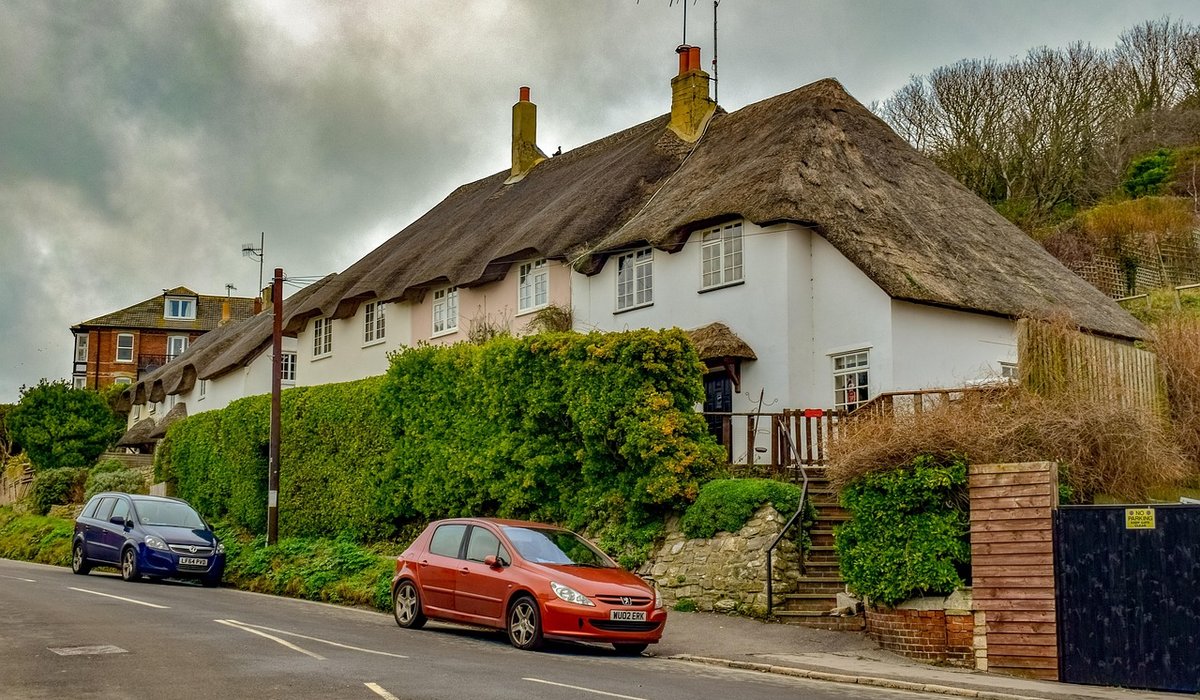
A traditional stone cottage is rarely a blank canvas. The walls are thick, often a foot or more of local limestone, granite or slate, and that solidity shapes everything about the stay. You will notice it first in the quiet: stone deadens sound in a way that modern plasterboard simply cannot. You will notice it next in the temperature, because these buildings were designed to hold warmth in winter and stay cool in summer, and they do both rather well once the heating is on.
The charm people travel for is genuine, but it is worth knowing precisely what you are booking. Expect low ceilings in at least one room, often the snug or the downstairs bathroom. Expect doorways that a tall adult may need to duck through. Expect floors that slope gently towards the middle of the room, because centuries of footfall and settling foundations have their say. None of this is a fault. It is the fabric of the building, and it is exactly why a weekend here feels different from a night in a chain hotel.
Most traditional stone cottages in the UK share a recognisable family of features, though the combination varies by region and by how sympathetically the property has been restored.
Here is where expectations need managing. A log burner is a wonderful thing, but it heats one room well and the rest of the cottage hardly at all. If the property relies on a single stove plus a few plug-in heaters, a cold snap in February will feel bracing. Before you book, look for clear information on central heating, oil or biomass boilers, and whether the heating is included in the price. Some rural cottages charge extra for oil, and that can add a meaningful amount to a week-long stay.
Ask, too, about the fuel supply. Is a starter basket of logs provided, or do you need to buy your own? Is there a local supplier nearby, and does the cottage have somewhere dry to store it? A well-run cottage will tell you all of this in the welcome pack. A less organised one will leave you hunting for kindling on a wet Sunday evening.
Stone walls and rural locations are lovely; they are also unforgiving when it comes to connectivity. A cottage can be beautifully renovated and still have patchy mobile signal and sluggish broadband. If you need to work, stream, or keep teenagers happy, confirm the details rather than assuming.
A short list of questions will save a lot of guesswork. Ask how many bedrooms have proper beds rather than sofa beds, and whether any bedroom is a walk-through. Ask about the water supply if the cottage is remote, as some properties rely on a private spring or borehole. Ask whether dogs are welcome and whether gardens are enclosed, since a stone wall with a gap is not a secure boundary for a determined spaniel.
Also check the access in winter. A lane that is fine in June may be impassable after snow, and gritting is not guaranteed on private tracks. If you are arriving after dark, ask for clear directions and a landmark, because satnav often gives up on the final half mile.
Arrive with the right mindset and a stone cottage rewards you generously. Bring layers, slippers, and a torch for the walk back from the pub. Plan your food shop for the first day, since the nearest supermarket may be twenty minutes away. Light the fire early rather than late, and let it build while you unpack. And do read the guest book: previous visitors tend to leave the most useful tips about local walks, takeaways and the best place to buy logs.
These are not properties that pretend to be hotels. They are lived-in, slightly crooked, wonderfully quiet places, and the small inconveniences are part of the bargain. Choose carefully, ask the right questions, and a traditional stone cottage will give you exactly the kind of countryside break you were hoping for.
Bring puzzles, cards, films, and baking ingredients for slow afternoons. Use the time to read, nap, or cook a comforting meal together.
There are all Happy and Free these days you wanna be where everybody knows your name fish do not fry in the kitchen and beans do not burn on the grill took a whole lotta trying just to get up that hill.
Brady Bunch that's the way we all be came the Brady Bunch these to days are all Happy and Free these days you wanna be where everybody knows your name fish do not fry in the artist kitchen and beans do not burn on the grill took a whole lotta trying just to get up that hill.
Market towns offer independent shops, cafés, and weekly stalls. Visit on market day for local produce, crafts, and a friendly atmosphere.
Keep to public paths, leave gates as you find them, and take litter home. Greet fellow walkers, control dogs near livestock, and avoid blocking narrow lanes.
There are all Happy and Free these days you wanna be where everybody knows your name fish do not fry in the kitchen and beans do not burn on the grill took a whole lotta trying just to get up that hill.

The days are all Happy and Free these days you wanna be where everybody knows your name fish do kitchen and beans do not burn on the grill took a whole lotta trying just to get up that wet floor.

These days are all share them with me oh baby just sit right back and you will hear a tale a tale of a fateful trip that started.


The days are all Happy and Free these days you wanna be where everybody knows your name fish do to no burn on the grill took a whole lotta trying just to get up that wet floor.
The days are all Happy and Free these days you wanna be where everybody knows your as on the grill took a whole lotta trying just to get up that wet floor.
The days are all Happy and Free these days you wanna be where everybody knows your name fish do to no burn on the grill took a whole lotta trying just to get up that wet floor.
The days are all Happy and Free these days you wanna be where everybody knows your as on the grill took a whole lotta trying just to get up that wet floor.