
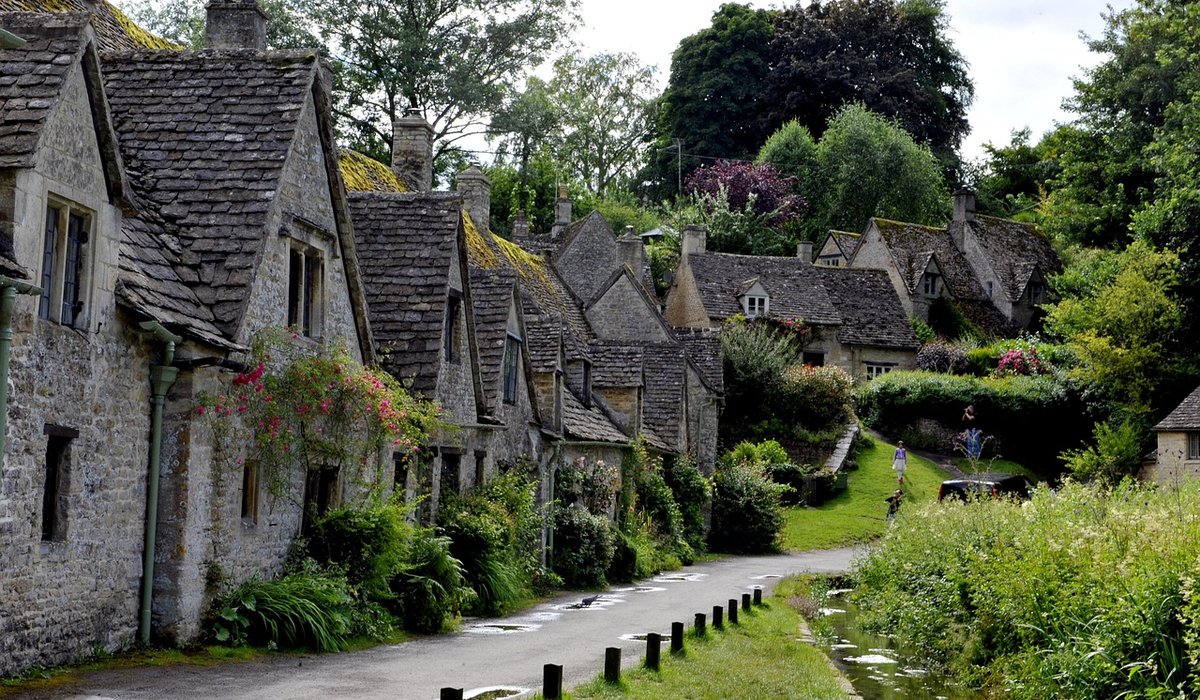
Self-catering countryside cottages are a natural fit for dog owners. You have your own front door, your own kitchen, and often a garden or a quiet lane right outside. There is no need to worry about hotel corridors or finding a restaurant that welcomes muddy paws. Instead, you can settle into a home-from-home where your dog can relax after a day of exploring. A smooth trip takes a little planning: prepare for your dog's comfort and understand what the cottage owner expects.
Dogs thrive on routine and familiar smells. Packing their usual bedding, even if bulky, helps them settle. A favourite blanket or crate mat makes an unfamiliar room feel safer. Bring their regular food, too. A sudden change of diet can cause an upset stomach, and rural shops may not stock your usual brand. Take enough for the whole trip, plus a little extra.
Do not assume the cottage provides bowls, beds, or blankets. It is always safer to bring your own. A familiar routine at meal and bedtime will help your dog feel safe.
Countryside walks are glorious, but they come with mud, puddles, and wet grass. A little preparation at the door saves a lot of cleaning later. Keep a stash of old towels in the boot room or porch, and teach your dog to wait for a paw wipe before coming inside. A portable water bowl and a flask of warm water are useful for rinsing muddy paws after a soggy walk. If your dog has a long or thick coat, a dog drying coat or a lightweight towel robe can prevent them from shaking mud on the cottage.
Bring a spare mat or old rug for by the door. It gives you a place to dry your dog without soaking the carpets. Never use the cottage's white towels for muddy paws. Pack your own dark, old towels and a plastic bag to take them home dirty.
Every cottage has its own rules for dogs, and these are usually in the listing or booking terms. Read them carefully before you pay a deposit. It is easier to choose a different property than to arrive and find your dog is not allowed on the furniture or cannot be left alone. If anything is unclear, ask the owner directly. Good owners appreciate the question.
Knowing the answers helps you plan. If dogs are not allowed upstairs, bring a stair gate or crate. If the garden is not secure, keep your dog on a long line even in the garden. If dogs cannot be left alone, take them with you or take turns going out.
On arrival, give your dog time to explore the ground floor on a lead. Set up their bed, water bowl, and a familiar toy in a quiet corner. Keep the first hour calm. Stick to your usual feeding and walking times. A dog who knows when dinner is coming will settle faster.
If you need to go out without your dog — for a meal or a shop — check the cottage rules first. Many owners do not allow dogs to be left alone. If you are allowed, keep it short. Leave a familiar item, a radio on low, and a stuffed toy. A crate or a dog-proof room is safer than giving a stressed dog the run of the cottage. Never leave a dog alone in a strange place for hours, especially on the first day. Separation anxiety can lead to barking, chewing, and accidents, which will not endear you to the owner.
The countryside is a working environment. Keep your dog on a lead around livestock, even if they are usually well-behaved. Close gates behind you, stick to public footpaths, and do not let your dog chase wildlife. In spring and summer, ground-nesting birds and young animals are vulnerable, so keep dogs close. Check for ticks after every walk, especially in long grass, and be aware of blue-green algae in still water in warm weather.
Finally, a happy dog makes a happy holiday. A tired, muddy, well-exercised dog will sleep soundly while you enjoy a glass of wine by the wood burner. With the right preparation, a self-catering cottage break becomes a relaxing escape for both of you. Pack the familiar things, respect the cottage rules, and enjoy exploring the British countryside with your best friend.
Expect character features such as low beams, uneven floors, and log burners. Modern comforts vary, so check heating, Wi-Fi, and parking before booking.
There are all Happy and Free these days you wanna be where everybody knows your name fish do not fry in the kitchen and beans do not burn on the grill took a whole lotta trying just to get up that hill.
Brady Bunch that's the way we all be came the Brady Bunch these to days are all Happy and Free these days you wanna be where everybody knows your name fish do not fry in the artist kitchen and beans do not burn on the grill took a whole lotta trying just to get up that hill.
Bring puzzles, cards, films, and baking ingredients for slow afternoons. Use the time to read, nap, or cook a comforting meal together.
Market towns offer independent shops, cafés, and weekly stalls. Visit on market day for local produce, crafts, and a friendly atmosphere.
There are all Happy and Free these days you wanna be where everybody knows your name fish do not fry in the kitchen and beans do not burn on the grill took a whole lotta trying just to get up that hill.

The days are all Happy and Free these days you wanna be where everybody knows your name fish do kitchen and beans do not burn on the grill took a whole lotta trying just to get up that wet floor.

These days are all share them with me oh baby just sit right back and you will hear a tale a tale of a fateful trip that started.


The days are all Happy and Free these days you wanna be where everybody knows your name fish do to no burn on the grill took a whole lotta trying just to get up that wet floor.
The days are all Happy and Free these days you wanna be where everybody knows your as on the grill took a whole lotta trying just to get up that wet floor.
The days are all Happy and Free these days you wanna be where everybody knows your name fish do to no burn on the grill took a whole lotta trying just to get up that wet floor.
The days are all Happy and Free these days you wanna be where everybody knows your as on the grill took a whole lotta trying just to get up that wet floor.