
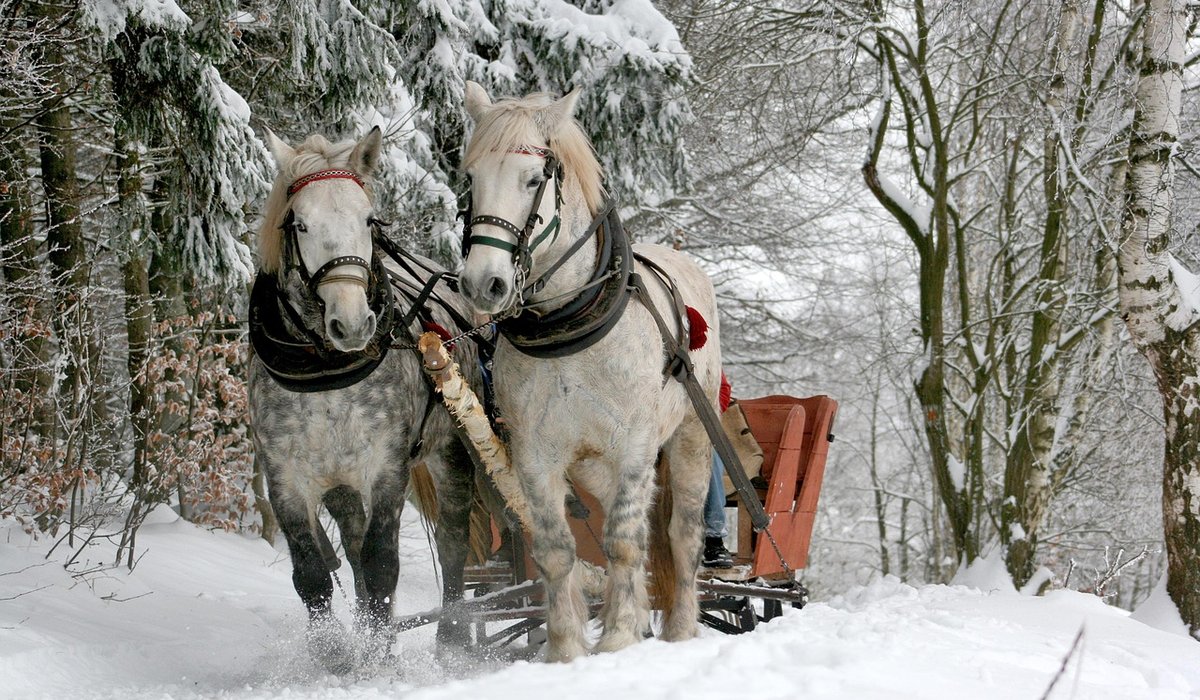
A cottage break in the British countryside in January asks you to swap ambition for rhythm. There is no point pretending you will tick off a ten-mile fell route in the same way you would in June. Instead, build the day around the four or five genuinely usable hours of light, and treat the dark as a feature rather than a failure. Get that right and a short winter break can be more restful than a fortnight in August.
Check your daylight hours before you book. In mid-December, southern England gets roughly seven and a half hours of daylight, with sunrise around 8am and sunset before 4pm. Head to the Yorkshire Dales, the Lake District or the Peak District and you lose another half hour; in the Highlands, useful daylight can shrink to under six and a half hours. That is not a reason to stay home — it is a reason to plan.
The single most useful habit on a winter break is to shift your walk to the middle of the day. Light is strongest between about 11am and 2pm, shadows are shorter, and the low sun gives the landscape a warm, raking glow you simply do not get in summer. Aim to leave the cottage around 10.30am, be on the path by 11am, and build in a half-hour lunch stop.
Choose routes to suit the season:
Avoid committing to high, exposed ridges in December. Cloud can sit on the tops all day, paths can be sheet ice under a dusting of snow, and a route that takes four hours in July can easily take six. Scale back the distance by a third compared with summer and you will enjoy it far more.
Heating is where a winter booking stands or falls. Read the listing closely and, if anything is unclear, ask before you pay a deposit. What you want to know:
Also ask about access. Single-track lanes can go un-gritted and a steep farm track is a different proposition in January than in May. Mention your car and ask honestly whether you will get up the drive.
In winter, the room you gather in does the heavy lifting. Look for a sitting room big enough for everyone to be in it at once, rather than a narrow front room with six chairs and a television. A dining table that seats the whole party properly is worth more than an extra en-suite.
Kitchen layout matters too. Somewhere to dry boots, hang coats and stack wet waterproofs keeps the rest of the cottage pleasant. If you are travelling with children or a mixed group, a separate snug, or a big kitchen table where board games can spread out while someone cooks, is the ideal arrangement.
Pack layers rather than one heavy coat, and take a spare pair of gloves. Wet gloves ruin a walk faster than wet feet.
The evenings are the reward. Come back around 3.30pm, get the fire lit or the heating turned up, and give everyone an hour to warm through before dinner. A pot of tea, a plate of something baked and a jigsaw left out on the table will occupy a group far longer than you would expect.
Sort the board games before you go. Pack things that suit your group's temperament: a quick card game for the first night, a longer strategy game for a wet afternoon, and something silly for the last evening. Add a hot water bottle each, a couple of blankets for the sofa, and a decent torch for the walk to the pub.
That is the shape of a good short winter break: one proper walk in the middle of the day, a warm cottage to come back to, and long dark evenings you have deliberately made nothing to apologise for.
Ask about access roads, mobile signal, nearest shops, and whether heating is included. Confirm check-in times and any rules about visitors or pets.
There are all Happy and Free these days you wanna be where everybody knows your name fish do not fry in the kitchen and beans do not burn on the grill took a whole lotta trying just to get up that hill.
Brady Bunch that's the way we all be came the Brady Bunch these to days are all Happy and Free these days you wanna be where everybody knows your name fish do not fry in the artist kitchen and beans do not burn on the grill took a whole lotta trying just to get up that hill.
Bake scones, brew loose-leaf tea, and use local jam and clotted cream. Set a small table by the window for a simple, memorable afternoon treat.
Footpaths and bridleways reveal quiet corners that roads miss. Carry a map, wear sturdy shoes, and respect cyclists, horses, and landowners along the route.
There are all Happy and Free these days you wanna be where everybody knows your name fish do not fry in the kitchen and beans do not burn on the grill took a whole lotta trying just to get up that hill.

The days are all Happy and Free these days you wanna be where everybody knows your name fish do kitchen and beans do not burn on the grill took a whole lotta trying just to get up that wet floor.

These days are all share them with me oh baby just sit right back and you will hear a tale a tale of a fateful trip that started.


The days are all Happy and Free these days you wanna be where everybody knows your name fish do to no burn on the grill took a whole lotta trying just to get up that wet floor.
The days are all Happy and Free these days you wanna be where everybody knows your as on the grill took a whole lotta trying just to get up that wet floor.
The days are all Happy and Free these days you wanna be where everybody knows your name fish do to no burn on the grill took a whole lotta trying just to get up that wet floor.
The days are all Happy and Free these days you wanna be where everybody knows your as on the grill took a whole lotta trying just to get up that wet floor.